
Solutions for when screws are stripped
Stripped screws can make repair work more difficult, especially with engineered wood structures. Do you know how to fix a stripped screw, as well as a loose screw hole or a stripped screw head? In the article on how to fix a stripped screw, Moc Phat will help you learn in detail how to remove, screw and fix some basic errors.
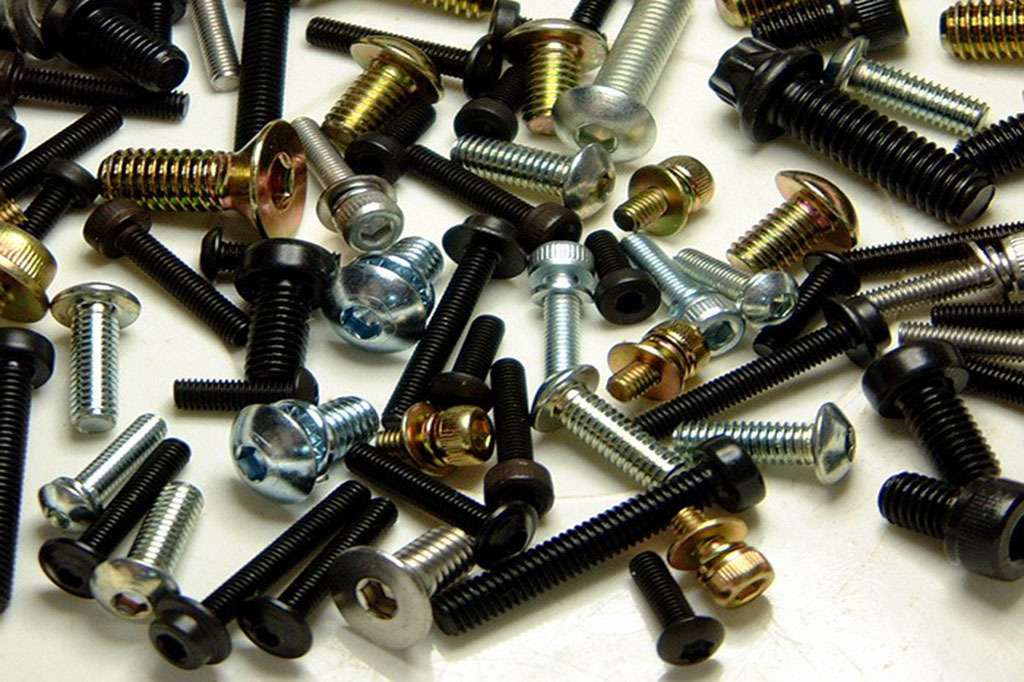
What is a stripped screw?
A stripped screw is a condition in which the screw's thread or threaded hole is worn or damaged, no longer firmly attached to the host. When tightening or loosening the screw, it continuously slides without being able to tighten or loosen as before. Whether you use a screwdriver, hex key or tightening machine, the screw still rotates without engaging the thread.
Some causes of a stripped screw
Understanding the cause, you will limit the thread wear during use, especially when using on industrial wood surfaces. You should choose a board with high fiber density and stable screw grip to reduce the risk of thread stripping. In addition, you should also pay attention to the quality of the screw, because standard materials will help the thread go deeper and maintain a more stable tightening force. You can learn more about the quality standards of Moc Phat industrial wood boards to understand more about some other standards.
In addition, over-tightening can cause the thread to wear out or break the thread tip during the process. In addition, you should use the right size screwdriver, because if the screw head size does not match the screw groove, the impact force will be offset and cause the screw head to quickly strip.

Some ways to remove a screw when it is loose
When the screw is stripped or the thread is loose, removing it requires the right tools and techniques depending on the situation. Here are some common situations that often occur with industrial wood furniture that you may encounter.
Screw is stripped
Step 1: Use a steel chisel to create a groove on the head of the screw.
Step 2: Create a groove as deep as possible so that when chiseling, the chisel tip can easily grip the screw head and pry the screw out.
Step 3: Tilt the chisel at a 30-degree angle and turn counterclockwise to remove the screw.
However, this method is only used for some types of screws and can affect the surface of industrial wood. You can use a rubber band placed on the screw and then turn the screwdriver, remember to use strong force, in a moment the screw will fall out immediately.

Remove rusted screws
You can use anti-rust oil and RP7 lubricant on the screw to corrode the rust, making it easier to unscrew. Then use a suitable screwdriver to loosen the screw slowly to remove it. In addition, you can use a hammer to lightly tap the screwdriver head to remove the screw. However, with this method, you should use moderate force to minimize the risk as much as possible.
For some screws that have been rusted for a long time, you can use pliers or wrenches to hold the nail tightly when unscrewing. However, this method should only be used when the screw head is still there. In addition, to make the loose screw easier to unscrew, you can also use a light heat gun to expand the metal and then unscrew it. However, you need to pay attention to the temperature and surrounding details when heating.
Remove a screw stuck in a machine part
When a screw is stuck in a machine part, you can use pliers to clamp the screw head tightly and gently shake it to loosen the screw from the machine part and pull it out. This is also the simplest way to remove a screw when it is loose, stripped and tightly attached to the machine part. You should note to use just enough force, if you use too much force, it can easily damage the machine part or the internal thread.
However, in serious cases or if the jam position is too deep, you can take the machine to a specialized repairman for timely handling. Limit the impact on the machine part or damage. Through the above information, Moc Phat hopes that you have a better understanding of the information about loose screws.
How to tighten a screw when the thread is slippery or loose
When you want to tighten the screw firmly to avoid the screw being loose, you can use specialized glue. Put a drop of special glue into the thread before tightening, after hardening will create friction, hold the screw more firmly. For a light or temporary application, you can use epoxy glue and inject it into the thread, wait for it to dry, then tighten it again. This method is suitable for some details that do not need to remove the screw regularly.
Restore loose screw holes
A major cause of screw slipping is due to loose or worn screw holes, especially common when installing screws on engineered wood. Some of the following tips are for reference only and are temporary to overcome this situation while you cannot replace the materials or handle it thoroughly.
Use toothpicks, wooden sticks
You can use toothpicks or thin wooden sticks, insert them into the threaded hole before tightening the screw. Temporarily fill the gap, creating better friction. This method is simple, easy to do and effective, suitable for small loose holes.
Use a tap to create threads
If the hole is too damaged, and other options are used, you can refer to the thread tap to create new threads. Note, choose a tap one size larger if necessary, then use a new screw to match.

Tips to limit the risk of screw threading, screw loosening or screw head stripping in the future
To reduce the risk of screw threading, screw loosening or screw head stripping in the next use, readers should pay attention to tightening the correct torque (torque) recommended by the manufacturer. In addition, to use in humid environments, you should choose specialized screws to limit rust. With industrial wood panels that have rotted or no longer have good grip, re-screwing will be difficult to ensure the same firmness as before. The material's holding force is reduced, making the screw easy to strip, loose or unable to fix in the desired position. You can refer to some test labs to better understand the quality of Moc Phat industrial wood panels.
In this case, trying to tighten more will only cause more damage to the wood surface. The appropriate solution is to replace the degraded wood or use reinforcement methods such as glue. If you are interested in Melamine-coated industrial wood panels, please contact Moc Phat. We are a unit specializing in providing surface-coated industrial wood panels with more than 20 years of experience.
Through the information we have shared, Moc Phat hopes that you have somewhat better understood the situation of loose screws as well as how to fix it to limit the above situation. If you are interested in surface-coated industrial wood panels, please contact us for advice.
Related news